
Italian-Studying 7-12 years

From: 320

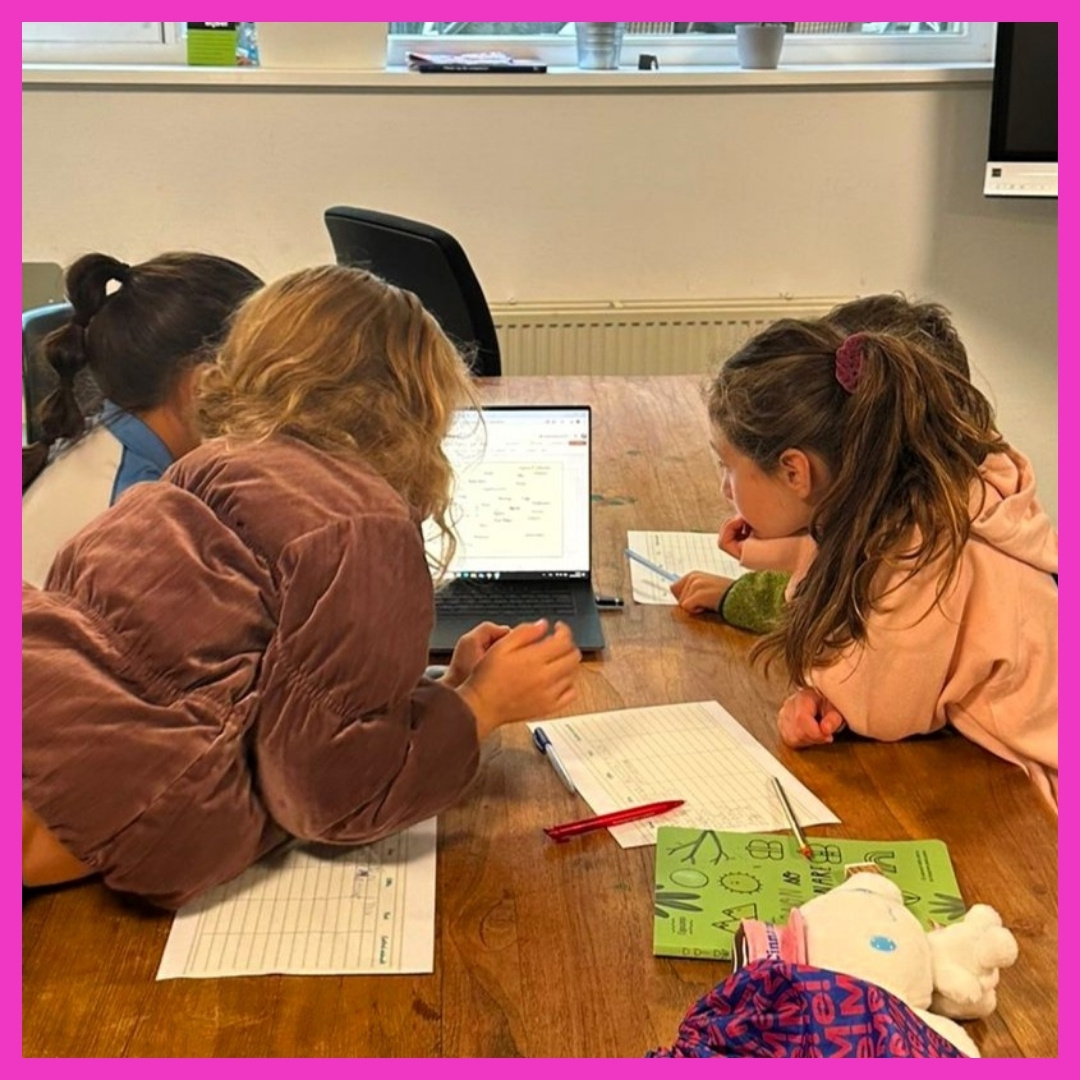
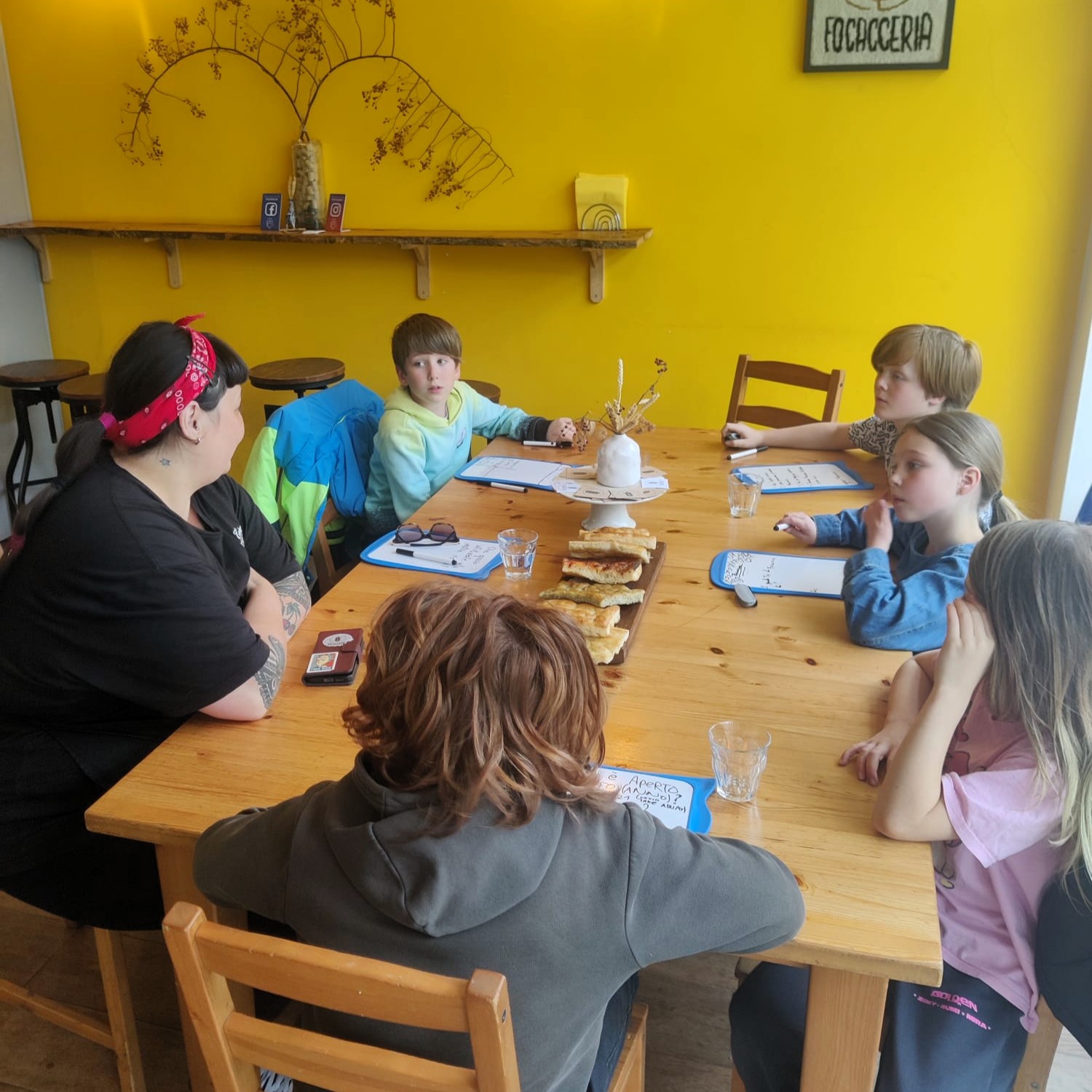
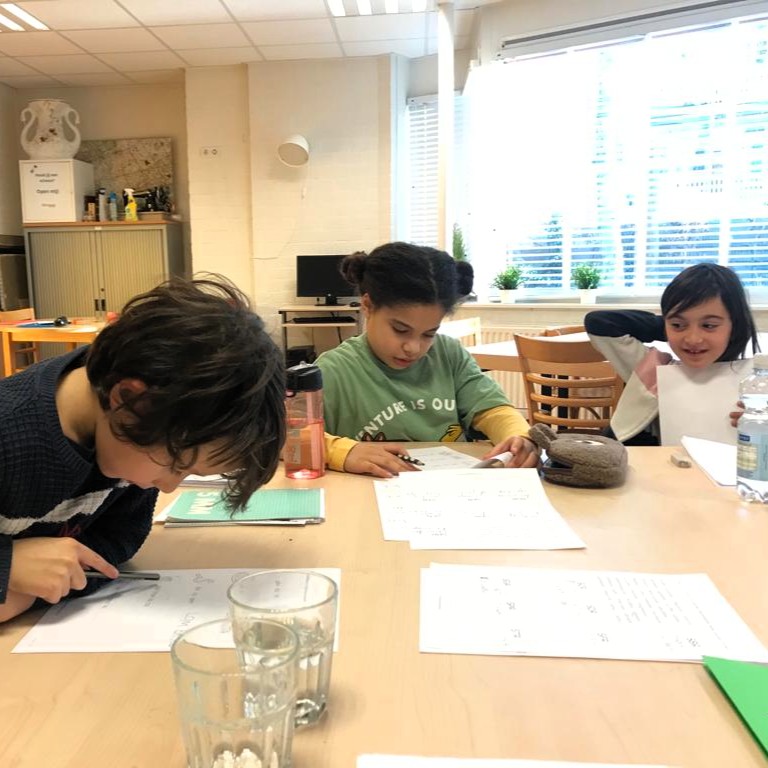
The courses of the “Studio-Italiano” cycle 7-12 years are designed to stimulate the mastery of the Italian and written Italian language Dellɜ Bambinɜ Bi-Plurilingue who attend groups 4, 5, 6, 7 and 8 of the BasisSschool. The cycle is divided into distinct courses by age groups: 7-9 years and 10-12 years.

In the meetings the natural curiosity of the Bambinɜ is stimulated towards what is 'behind' the language, according to the language learning method called Reflection on the language. This approach leads and motivates the alumnǝ to the analysis, understanding and mastery of the different components of language: phonetics and phonology, morphology, semantics, syntax, pragmatic.

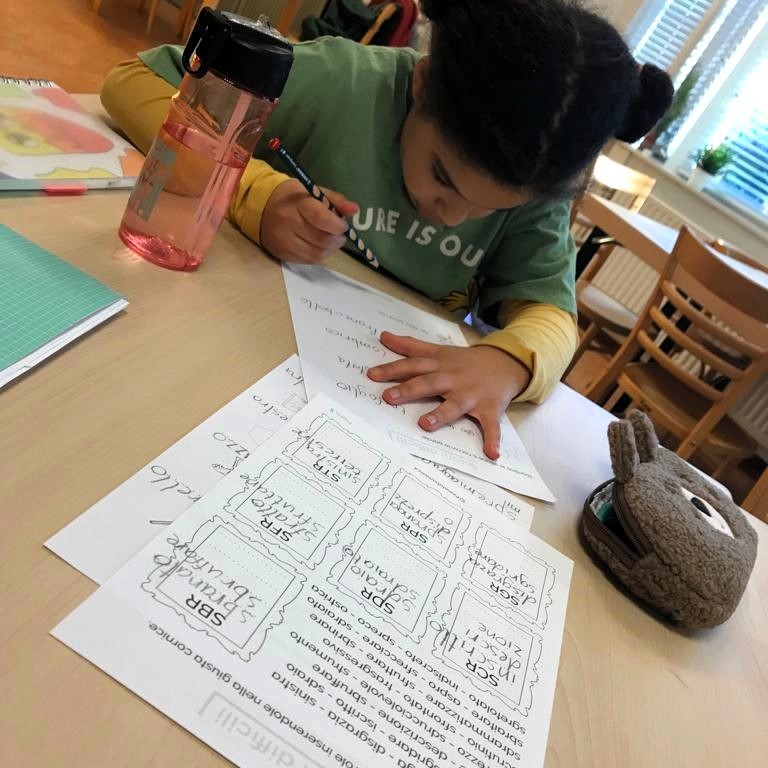
The proposed activities, both on an individual and group level, include: reading ad high you, understanding and analysis of different types of text, use of tongue and phonetic games (to correctly articulate the sounds of Italian), exercises of logical and grammatical analysis, tests of storytelling e di creative writing, theater and discussions on themes of actuality.

Through the activation of Transversal cognitive skills, how to observe, make hypotheses, connect and generalize, Lǝ Bambinǝ becomes progressively aware of the implicit rules (grammar, syntax, phonetic, etc.) which normally applies when it speaks or writes in Italian and learns to 'explicit them' and apply them with autonomy in every context.

FORMAT

In terms of frequency and richness of the program, the course is available in two formats:
Studio-Italiano Pro: 30 meetings at intervals weekly, every Wednesday afternoon at the West location.
Study-Italian: 15 meetings at intervals biweekly, on alternate Saturdays at various locations.

For more details on the activities, objectives and programming, read below. .

REGISTRATIONS
If the course does not reach the minimum number of enrollments, mergers between groups or different locations may be proposed, or the shares already paid to be returned.

Course available with family card

To enroll in this course you need the Lo Stivaletto Family Card current year. If you already have it, remember to log in! If you don't have it yet, the system will automatically add it to your cart.

Agevolazioni Amsterdam Culture Foundation

Girls with stadspas or with low family income could access financing from JSCA and participate in the course at a reduced rate. To check this, fill out this modulo.

Description

Study-Italian courses are aimed at the Bambinɜ BI-PLILRILilingual from 7 to 12 years (groups 4, 5, 6, 7 and 8 in the Dutch school system) who have a knowledge of the Italian language and who want to deepen it. Having already reached the basic literacy at least in a language, they are ready for acquire autonomy of reading and writing, as well as of oral expression, also in Italian.

Reference linguistic education models

In the lessons we use the natural and marked sensitivity of children to linguistic phenomena as a basis for nourishing curiosity towards what is "behind" language, according to the model of linguistic education called reflection on the language. The most modern linguistic research theories identify precisely in reflection on the language The most effective approach to involve alumnǝ in a motivating and productive activity of analysis and study of the different components of language: phonetics and phonology, morphology, grammar, semantics, syntax, pragmatic (understood as variability of the language in the social context). The reflection on the language thus becomes a path of discovery that leads Lǝ Bambinǝ a explicit the implicit rules that normally applies when he speaks or writes in Italian and to be aware of it. And consequently, it becomes a concrete tool to learn how to use the language at a higher level of mastery.

For the analysis of sentence structure and relationships between sentences we use the valential model which, combining the concept of syntax with the concept of semantics, allows you to study grammar starting from the lexicon. This model starts from the observation that to complete the meaning of certain verbs and give the phrase made to the phrase, other elements are needed, the topics. The property of the verb to aggregate the basic elements of the sentence is called Valenza. By applying the valential model, Italian verbs can be grouped in different classes, which support Lɜ Bambinɜ in the understanding and construction of the sentences.

Soft Skills

The adoption of these methods allows to promote research, reflection and comparison skills through a teaching for discovery, cooperative and laboratory. Instead of transmitting "textbook" rules and knowledge, reflection on the language is addressed by building shared knowledge together with the child. This occurs through the activation of all those cognitive skills (observing, making hypotheses, classifying, ordering, connecting, comparing, generalising) which are the basis not only of disciplinary skills, but also and above all of transversal ones, the so-called soft skills requests throughout life.

Proposed activities:

  • Reading aloud of quality illustrated books
  • Reading, understanding and analysis of author poems and songs
  • reading, understanding and analysis of different types of text
  • Scoglilingua and nursery rhymes to correctly articulate the sounds of Italian
  • phonetic and phonological games
  • mimic and gestures
  • dramatization
  • discussions on topical issues
  • Activities to stimulate the pleasure of narration, enhancing the lexicon and fantastic language (Dadi "inventing stories", silent books, stories starting from graphic-artistic representations, etc.)
  • creative writing

The approach adopted in study-Italian courses wants to promote vision and theUse of the Italian language as a communicative tool, instead of as a mere language to be coded and decoded. And to make Lɜ Bambinɜ Escoglietɜ to learn it, also as a source of satisfaction and self -esteem.

Offices, days and times

Course 7-9 years

Amsterdam West, Huis van de Wijk The Havelaar

Saturday, every 2 weeks | 15 meetings
Schedule: 16.30-18.00


Course 7-12 years

Wednesday, every week | 30 meetings
Schedule: 16.00-17.30


Course 10-12 years

Amsterdam South | Huis van de Wijk the pipe

Saturday, every 2 weeks | 15 meetings
Schedule: 15.30-17.00


Dating dates

These are the dates of the meetings that participants can also consult in the course WhatsApp group.

Amsterdam West

SATURDAY – 7-9 years
5-19 September
October 3-31
November 14-28
December 12th
January 16-30
February 13
13 March
April 3-17
22 maggio
June 5th

WEDNESDAY WEEKLY 7-12 years
9-16-23-30 September
7-21-28 October
4-18-25 November
December 2-9-16
6-13-20-27 January
3-10-17 February
3-10-17-24-31 March
7-14-21 April
12-19 maggio


Amsterdam South 9-12 Anni

SATURDAY – 10-12 years
September 12-67
October 24
November 7-21
December 5th
January 9-23
February 6
6-20 March
April 10th
15-29 maggio
June 12th

Rates

Saturday courses, at any location (15 annual meetings)

PERIODREGISTRATION COSTDISCOUNT
Registrations open
(1 June – 4 September '26)
€320full rate
First quarter
(5 September – 22 November '26)
€320full rate
Second quarter
(23 November – 14 February '27)
€24025% discount
Third quarter
(15 February – 31 May '27)
€12860% discount


Wednesday courses, at any location (30 annual meetings)

PERIODREGISTRATION COSTDISCOUNT
Registrations open
(1 June – 4 September '26)
€590full rate
First quarter
(5 September – 22 November '26)
€590full rate
Second quarter
(23 November – 14 February '27)
€44325% discount
Third quarter
(15 February – 31 May '27)
€23660% discount


You may also like…