




Description
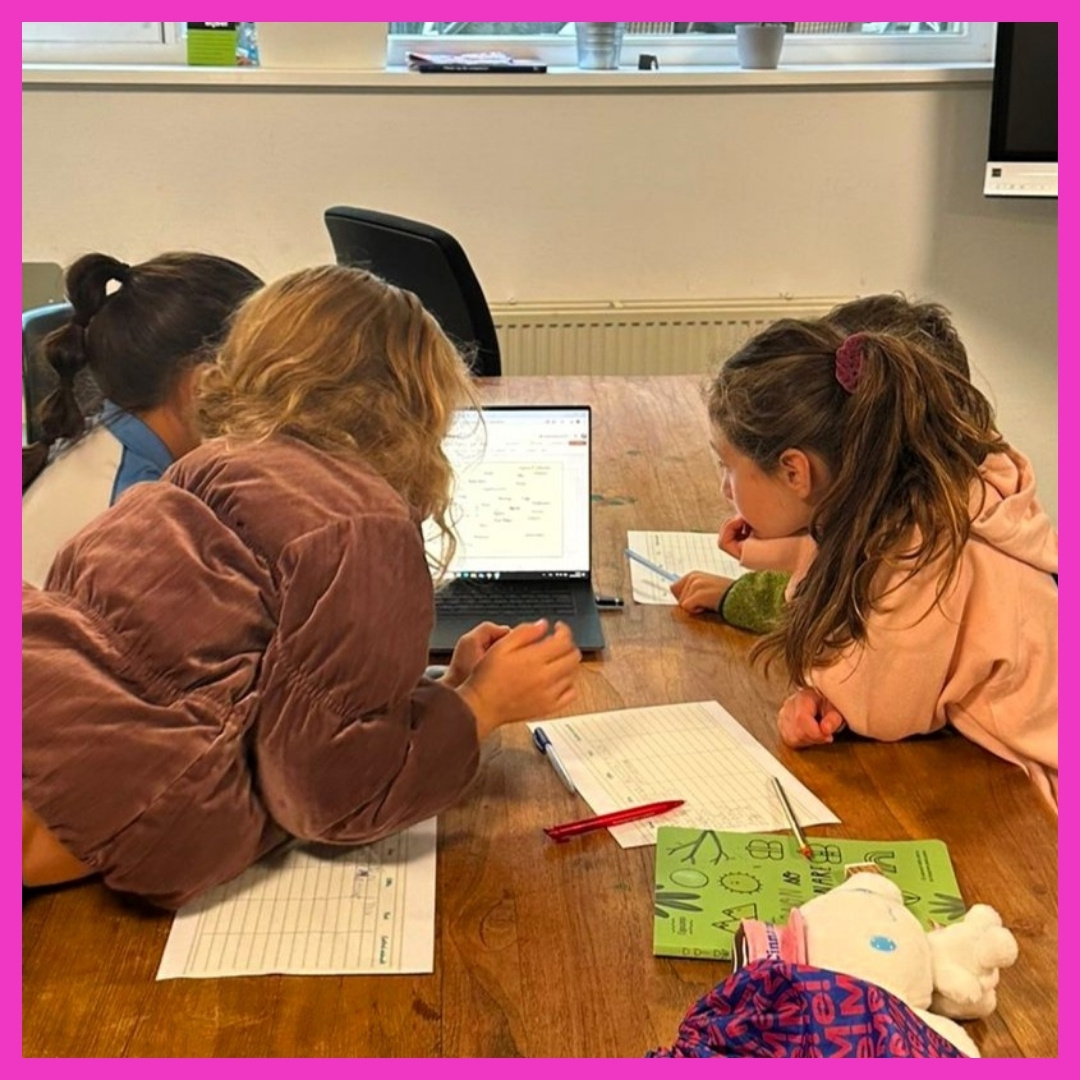
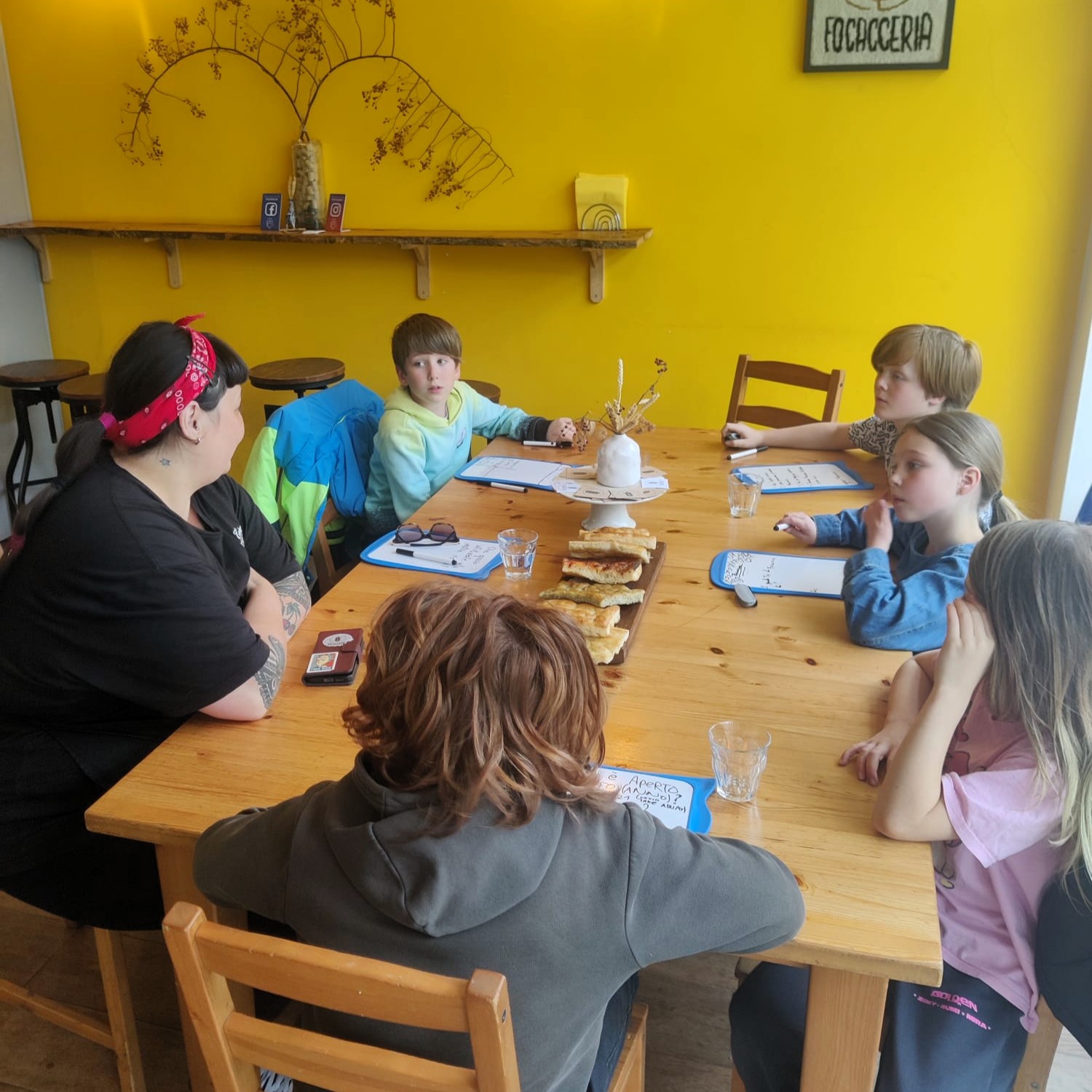
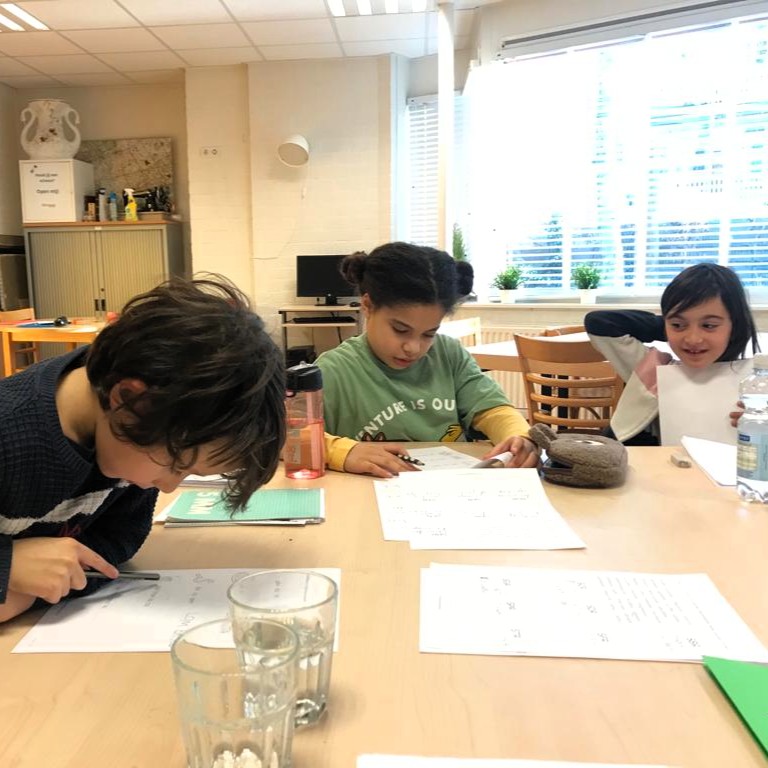
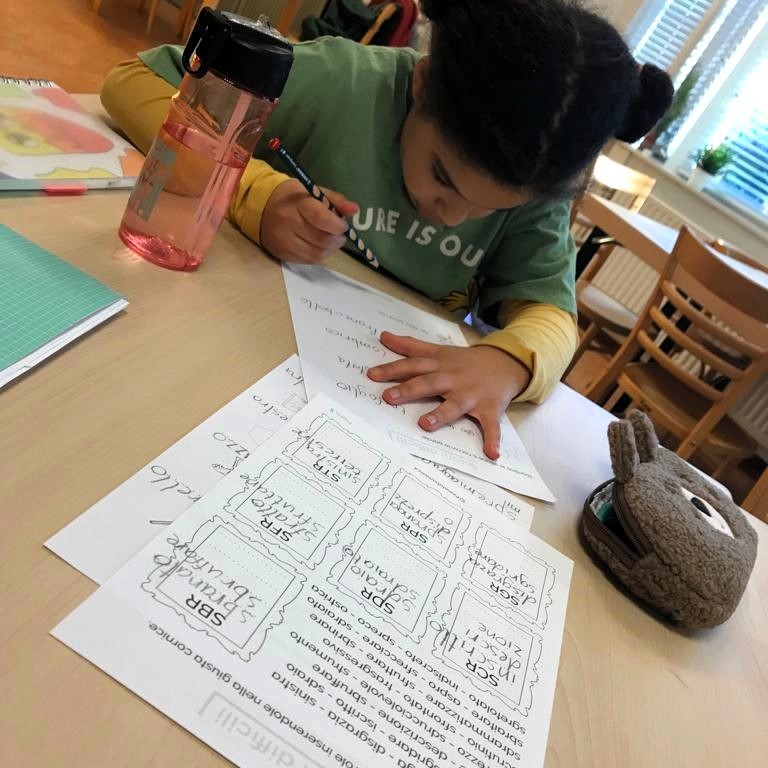
Study-Italian courses are aimed at the Bambinɜ BI-PLILRILilingual from 7 to 12 years (groups 4, 5, 6, 7 and 8 in the Dutch school system) who have a knowledge of the Italian language and who want to deepen it. Having already reached the basic literacy at least in a language, they are ready for acquire autonomy of reading and writing, as well as of oral expression, also in Italian.
Reference linguistic education models
In the lessons we use the natural and marked sensitivity of children to linguistic phenomena as a basis for nourishing curiosity towards what is "behind" language, according to the model of linguistic education called reflection on the language. The most modern linguistic research theories identify precisely in reflection on the language The most effective approach to involve alumnǝ in a motivating and productive activity of analysis and study of the different components of language: phonetics and phonology, morphology, grammar, semantics, syntax, pragmatic (understood as variability of the language in the social context). The reflection on the language thus becomes a path of discovery that leads Lǝ Bambinǝ a explicit the implicit rules that normally applies when he speaks or writes in Italian and to be aware of it. And consequently, it becomes a concrete tool to learn how to use the language at a higher level of mastery.
For the analysis of sentence structure and relationships between sentences we use the valential model which, combining the concept of syntax with the concept of semantics, allows you to study grammar starting from the lexicon. This model starts from the observation that to complete the meaning of certain verbs and give the phrase made to the phrase, other elements are needed, the topics. The property of the verb to aggregate the basic elements of the sentence is called Valenza. By applying the valential model, Italian verbs can be grouped in different classes, which support Lɜ Bambinɜ in the understanding and construction of the sentences.
Soft Skills
The adoption of these methods allows to promote research, reflection and comparison skills through a teaching for discovery, cooperative and laboratory. Instead of transmitting "textbook" rules and knowledge, reflection on the language is addressed by building shared knowledge together with the child. This occurs through the activation of all those cognitive skills (observing, making hypotheses, classifying, ordering, connecting, comparing, generalising) which are the basis not only of disciplinary skills, but also and above all of transversal ones, the so-called soft skills requests throughout life.
Proposed activities:
- Reading aloud of quality illustrated books
- Reading, understanding and analysis of author poems and songs
- reading, understanding and analysis of different types of text
- Scoglilingua and nursery rhymes to correctly articulate the sounds of Italian
- phonetic and phonological games
- mimic and gestures
- dramatization
- discussions on topical issues
- Activities to stimulate the pleasure of narration, enhancing the lexicon and fantastic language (Dadi "inventing stories", silent books, stories starting from graphic-artistic representations, etc.)
- creative writing
The approach adopted in study-Italian courses wants to promote vision and theUse of the Italian language as a communicative tool, instead of as a mere language to be coded and decoded. And to make Lɜ Bambinɜ Escoglietɜ to learn it, also as a source of satisfaction and self -esteem.
